


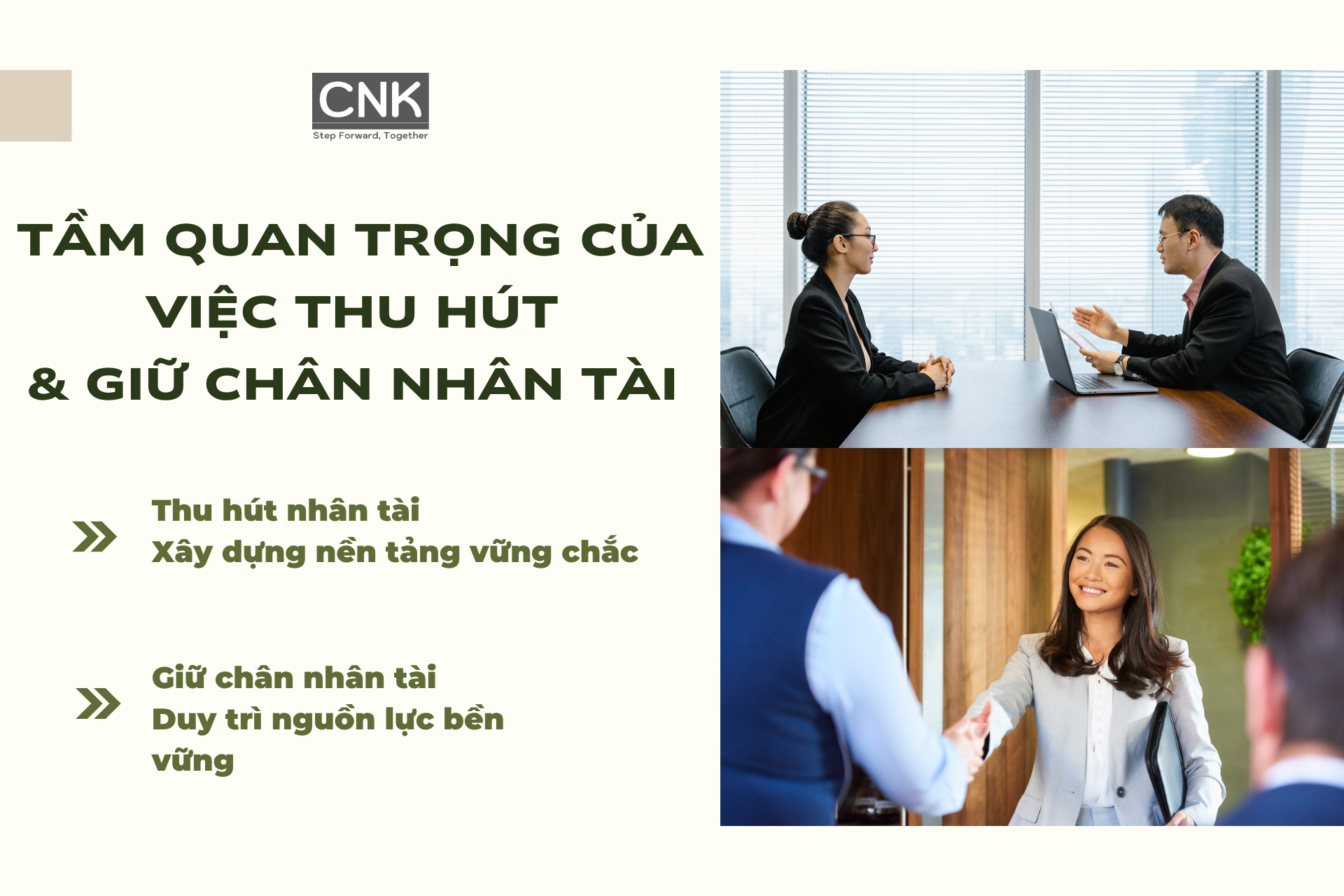
Attracting and retaining talent is a central business strategy for sustainable growth. It requires a coordinated approach that brings together a compelling employer brand, competitive rewards and a positive working environment.
Why talent attraction and retention matter
Attracting and retaining talent has become a leading business priority. Skilled employees are a valuable asset and a source of lasting competitive advantage. They help determine an organisation’s success or failure and support its long-term growth.
Attracting talent: Building a strong foundation
Attracting talent involves finding and hiring people who best align with the company’s culture and objectives, beyond simply filling vacancies. It is the first and most important step in building a strong team.
How shortages of skilled talent affect employers
Employers that struggle to attract talent face several risks. Productivity and work quality decline when critical positions remain vacant or are filled by people without the necessary capabilities. This weakens their competitive position against rivals with stronger teams. Talent shortages also increase workloads for existing employees, creating pressure and stress that can lead to higher turnover.
The benefits of hiring the right people at the right time
Successfully recruiting skilled employees brings substantial benefits. A strong employee can increase productivity severalfold, contribute breakthrough ideas and solve problems more effectively. They can also strengthen company culture, bring a positive attitude and inspire colleagues. A capable team helps the business respond faster to market changes and seize emerging opportunities.
Retaining talent: Maintaining a stable workforce
Attracting talent is challenging; retaining it is harder still and requires a long-term strategy. Retention helps employers maintain a stable workforce while reducing risks and avoidable costs.
The costs and risks of employee departures
High turnover imposes substantial costs on employers. Recruiting and training replacements requires significant investment in advertising, interviews and the time new employees need to settle into their roles. Departures also reduce overall team performance and disrupt ongoing projects. When a skilled employee leaves, the business can lose valuable knowledge, experience and relationships, with adverse consequences for its operations.
The benefits of retaining talented employees
Retaining strong employees delivers significant savings and supports business stability. Long-serving employees often have deep expertise and a thorough understanding of company culture, enabling them to contribute more effectively. They also mentor and train new colleagues, supporting continuous learning and development. A stable workforce helps preserve cohesion and team spirit, motivating employees to work through challenges together.
Key factors influencing talent attraction and retention
An effective people strategy starts with understanding what drives employees’ decisions. This knowledge helps employers attract skilled people and retain them over the long term.

>> Further reading: 10+ Effective Free and Paid Candidate Sourcing Channels
What employees expect today
Today’s employees work for more than financial security. Their expectations have become more varied and complex. Employers that focus solely on pay and bonuses miss a significant opportunity to build an engaged workforce.
Employees also seek less tangible rewards. They want recognition for their efforts and meaningful work that contributes to the organisation’s objectives. Respect, a voice in decisions and opportunities to express their abilities matter more than ever. A positive workplace where people receive fair treatment and have the authority to act builds strong engagement.
Demand for work–life balance is also growing. Flexible hours and hybrid arrangements combining remote and office work have become a competitive advantage. Company culture plays a decisive role: openness, transparency, collaboration and innovation attract employees who share those values. Development opportunities are equally essential. Employees want a clear career path, ongoing training and opportunities to advance.
Labour market conditions
The labour market is volatile, with intense competition for talent. Employers need to understand these trends to develop an appropriate strategy. People are moving between jobs faster than ever. Online recruitment platforms and professional networks make it easier for employees to find new opportunities, while making retention more difficult for employers. Competition comes from both domestic companies and multinational groups with substantial resources. Employers therefore need to keep improving their rewards policies and working environments to remain competitive.
A strong employer brand is essential to stand out to candidates in a crowded market. Building that brand requires an authentic, compelling account of what makes the company a desirable place to work, beyond advertising across recruitment channels. A strong employer brand attracts suitable candidates, reduces recruitment costs and improves retention.
The role of leaders and middle managers
Leadership, particularly middle management, plays a crucial role in attracting and retaining talent. Managers interact with employees daily and strongly influence their experience, morale and commitment to the business. Their key responsibilities include:
- Connecting leadership and employees: Middle managers communicate the leadership team’s direction and objectives to employees and convey employees’ needs and aspirations to senior leaders.
- Creating a positive working environment: The way managers communicate, listen and resolve problems shapes employee satisfaction, trust and long-term commitment.
- Guiding employee development: Alongside assigning work, managers need to help employees understand their opportunities for advancement, learning and career development.
Comprehensive strategies for attracting talent
Attracting and retaining capable people requires a long-term strategy that brings together rewards, workplace culture and other factors in a flexible, coordinated way.

Build your employer brand
Your employer brand is how candidates perceive your company. A strong brand helps you find new talent faster and retain existing employees. Employers can strengthen it by:
- Communicating their core values and distinctive culture clearly.
- Sharing their workplace story through channels including social media (LinkedIn, Facebook), the company website and recruitment platforms.
- Providing a positive candidate experience from application through to follow-up after the interview.
Improve the recruitment process
A professionally managed recruitment process leaves candidates with a positive impression, even when they are not selected. Employers should invest in technology such as an applicant tracking system (ATS) to automate and optimise recruitment stages. Prompt responses, clear information and a welcoming, professional interview environment improve the candidate experience.
Offer competitive compensation and benefits
Pay, bonuses and benefits remain leading factors in candidates’ decisions. Employers need a comprehensive rewards package to retain talent. This can include:
- Salaries that are competitive with market rates.
- A range of benefits that address individual needs, including health insurance, allowances and support for personal development.
- Hybrid arrangements that combine office and remote work flexibly, helping employees maintain work–life balance.
- Timely recognition and rewards to sustain motivation.
Broaden your talent sourcing channels
Employers need to expand beyond traditional channels to reach qualified candidates.
- Use professional networks such as LinkedIn.
- Build relationships with universities and training programmes to reach promising students.
- Establish an employee referral programme that encourages staff to recommend candidates.
Effective approaches to retaining talent
Retention requires more than pay increases. Employees need an environment where they feel valued and supported, with opportunities to develop. Creating that environment takes sustained investment and commitment from the employer.
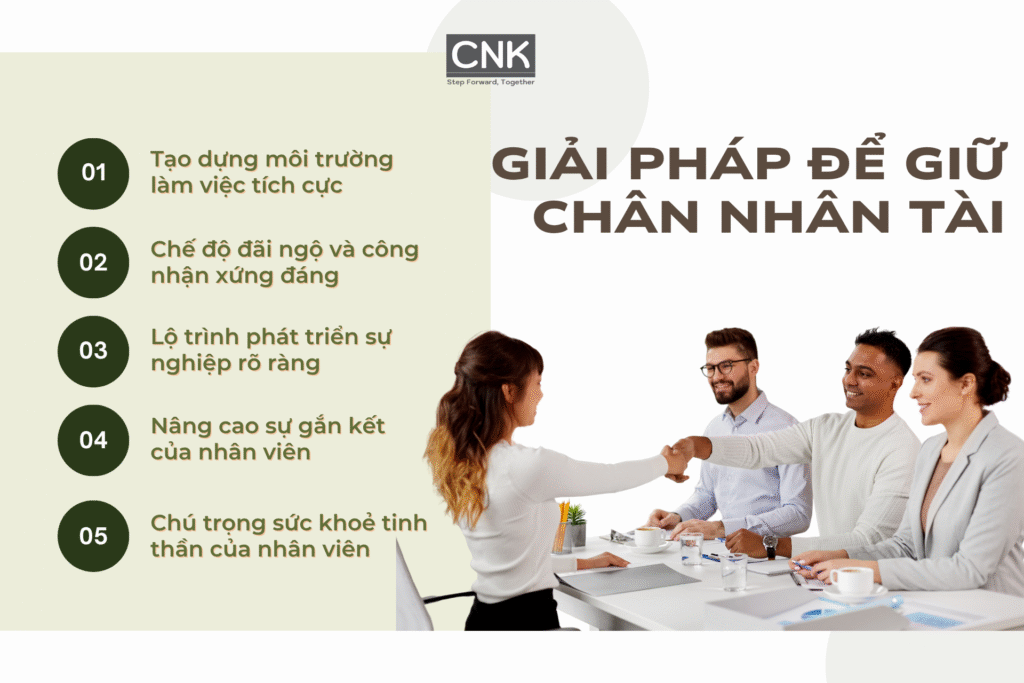
Create a positive working environment
A positive, healthy workplace helps employees feel comfortable and provides a foundation for lasting commitment and development within the business.
- Company culture: Build an open, transparent culture that encourages collaboration, respect and acceptance of differences. Employees stay longer when they feel they belong to 1 team.
- Workspace: Provide a comfortable, well-equipped workspace that encourages creativity. This improves productivity and demonstrates concern for employees’ quality of life.
Provide fair rewards and meaningful recognition
Rewarding employees includes recognising and appreciating their contributions as well as paying them fairly. Alongside competitive, equitable pay and bonuses aligned with market rates for high performers, employers need to offer non-financial recognition. Direct praise, an email acknowledging a contribution or a simple recognition event can be valuable. These gestures help employees feel seen and appreciated, strengthening their motivation to stay.
Set out clear career paths
Strong employees seek challenges and opportunities to develop, which help sustain their motivation and commitment to their work. Employers therefore need to provide clear career paths, access to training and encouragement to reach their full potential.
- Individual development plan (IDP): Work with each employee to define a clear career path. The plan should include short-term and long-term goals, along with the skills they need to develop.
- Training and advancement: Provide training courses, specialist coaching and opportunities to take on new roles and projects. Employees are less likely to consider leaving when they can see opportunities to grow within the company.
Strengthen employee engagement
Engagement connects employees to the business and helps them feel they are a valued part of the team. Engaged employees take greater responsibility, contribute ideas proactively and are willing to support the company’s growth. Employers can strengthen engagement through:
- Listening to feedback: Conduct regular surveys to understand employees’ expectations and difficulties, then make timely adjustments.
- Activities that build connections: Organise activities outside work, team-building sessions and internal events to strengthen relationships between colleagues and build team spirit.
Support employee mental health
Mental health is increasingly recognised as an important influence on employee performance and commitment. Employers should encourage work–life balance, adequate rest and manageable workloads, supported by policies such as remote work and flexible hours. They should also provide counselling services or mental health support programmes to help employees manage stress at work and in their personal lives.
Practical examples
Examples from companies that have successfully attracted and retained talent show how these strategies work in practice and offer lessons that other employers can apply.
Lessons from major corporations
The following major corporations illustrate successful approaches and provide practical lessons:
- Google: Google is known for its comprehensive rewards strategy. Alongside high salaries and bonuses, it provides benefits such as free meals, creative workspaces and comprehensive health and wellbeing programmes. Its distinctive “20% time” programme allows employees to spend part of their working time on personal projects they are passionate about. Together, these practices help Google create a desirable workplace and attract leading talent.
- Netflix: Netflix stands out for its culture of freedom and responsibility. It gives employees extensive autonomy without micromanaging working hours or time off. In return, it expects them to take full responsibility for their performance. This approach creates an environment of trust where employees feel respected and motivated.
These examples show that attracting and retaining talent requires competitive pay alongside comprehensive rewards, distinctive benefits and a well-equipped workplace that supports initiative. A distinctive company culture rooted in its vision and core values is also central to lasting engagement. When leaders trust their teams and give them authority, employees find greater meaning in their work and contribute proactively to the company’s growth.
How small and medium-sized enterprises can succeed
Small and medium-sized enterprises (SMEs) can also attract and retain talent by using their distinctive strengths to stand out.
Strategies for employers with limited resources:
- SMEs can focus on personal development rather than competing on salary alone. Smaller businesses are often more flexible, making it easier for employees to try different roles, learn quickly and develop their capabilities.
- Faster advancement: Lean organisational structures often give employees at SMEs clearer opportunities to progress more quickly than at larger companies.
Competing through the strengths of a smaller business:
- A family-like culture: Build a friendly, close-knit environment where everyone is heard and colleagues support each other.
- Flexibility: Flexible working policies without complex procedures are a significant advantage.
- Individual impact: Each employee in a small business can make a substantial contribution to the company’s growth, providing a strong sense of purpose and motivation.
Building a talent strategy takes long-term commitment
Attracting and retaining talent takes more than 1-2 days. It requires sustained investment and persistence. An effective strategy brings together rewards, company culture, career development and leadership. When employers coordinate these elements successfully, they build lasting competitive advantage and a committed workforce ready to support the business at every stage of growth.
If your business is looking for an effective way to attract talent, explore the executive search services offered by CNK Consulting Vietnam, a trusted partner helping employers reach and hire the most suitable candidates quickly.
>> Further reading: Interview Question Templates for HR Teams Across All Roles
CNK Consulting Vietnam
Hotline: +84 369 882 579
Email: info@cnk-consulting.com.vn
Address: 12BT6, Thanh Bình Urban Area, No. 3 Nguyễn Cảnh Dị, Định Công Ward, Hanoi
Hiring a Manager, Director or Head of Department? Explore CNK Consulting’s executive search services.
Receive workforce market updates
Recruitment, talent market and workforce development updates from CNK.