


Unsure how to negotiate salary with a headhunter? A small mistake could cost you a better offer. Learn how to prepare, present your value and negotiate a package that reflects your contribution.
Why salary negotiation with a headhunter matters
Negotiating salary with a headhunter affects both your current income and your career prospects. Understanding how headhunters work helps you negotiate effectively, protect your bargaining position and secure appropriate compensation.
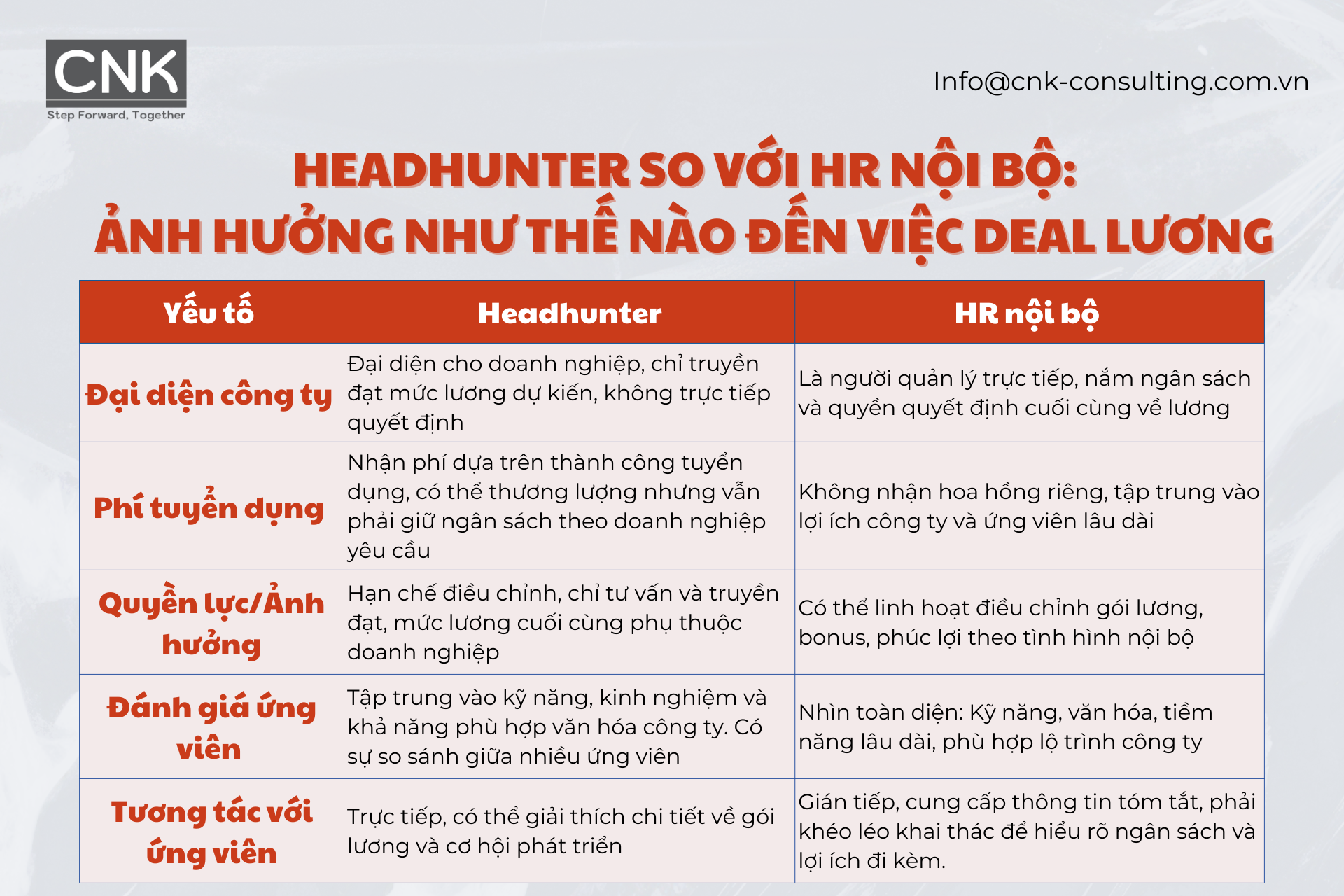
Headhunters and in-house HR: how the differences affect salary negotiations
A headhunter acts as a 3rd party representing an employer in the recruitment process. Their role and approach differ from those of an in-house HR team. The key differences affecting salary negotiations include:
Advantages and limitations of negotiating through a headhunter
Understanding the advantages and limitations of negotiating through a headhunter helps you develop a realistic strategy.
Advantages of negotiating salary with a headhunter:
- Expert advice: Headhunters understand salary levels and market conditions, helping you avoid asking for too much or too little.
- Representation: They can negotiate with the employer on your behalf, helping you work towards your target salary.
- Time savings: They help shorten negotiations compared with negotiating directly with the employer yourself.
Limitations of negotiating salary with a headhunter:
- Budget constraints: Headhunters do not make the final salary decision, so they sometimes need to adapt their approach within the employer’s range.
- Reliance on the headhunter’s information: You may lose negotiating power if the headhunter lacks transparency or does not fully understand your value.
- Comparison with other candidates: Headhunters may benchmark you against other candidates, so you need to demonstrate your capabilities confidently to secure a good salary.
>> CNK Consulting Vietnam helps candidates access suitable opportunities and negotiate towards their salary expectations through its professional executive search services.
Prepare your strategy before discussing salary
Salary negotiations with a headhunter begin with thorough preparation. This gives you the confidence to guide the conversation and negotiate compensation that reflects your value.

Research the market and the role
To propose a reasonable salary that the headhunter and employer can accept, you need a clear understanding of your market value.
Research market salary ranges
- Use reputable salary reports, professional networks such as LinkedIn, or career forums to establish the typical salary range, gross or net, for comparable roles and experience levels.
- Expert tip: FDI enterprises may pay more than domestic companies. Compare salaries by company size, industry and location to build the most accurate picture.
Understand the employer’s circumstances
- Research the employer’s culture, size and business performance. A startup may offer a lower base salary with shares through an employee stock ownership plan (ESOP), while a large corporation may have more fixed salary bands and benefits.
- Understanding the employer’s circumstances helps you negotiate more flexibly. If the base salary is low, you can negotiate additional benefits, insurance or training opportunities.
Assess your value accurately
To negotiate your target salary, look beyond your previous pay. Focus on the value you will bring to the new employer.
Document your skills and achievements
Focus on significant achievements rather than job responsibilities. Support every achievement with specific figures. Examples include increasing revenue by 30% in a quarter, reducing operating costs by 20%, or managing a project team of 10 people. The headhunter will use these metrics to support your salary proposal to the employer.
Set your salary expectations
Before negotiating, establish both your ideal salary and the minimum you would accept. Open with a figure slightly above your ideal salary to use the anchoring effect and strengthen your negotiating position.
Prepare evidence of your capabilities
Prepare documents, case studies or specific examples showing how you have solved significant problems. If the headhunter asks why you merit a higher salary, use this evidence to support your case. For example: “I am proposing this salary because, during a project to improve the sales process at my previous company, I implemented a new CRM system that helped the sales team increase revenue by 20% in just 6 months.”
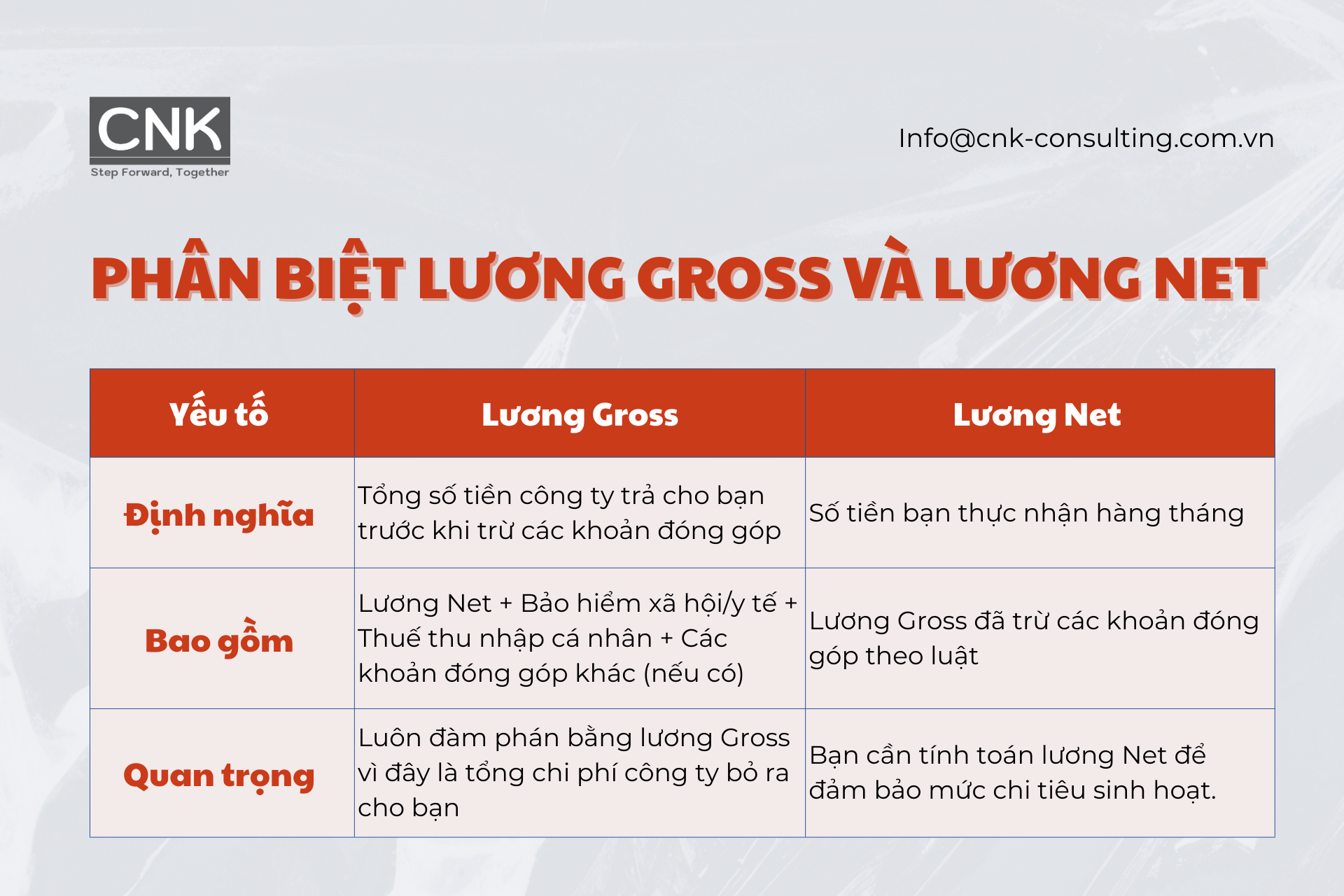
Understand gross and net salary
You need to understand this distinction to avoid confusion and protect your interests during negotiations:
How to negotiate salary with a headhunter
A salary discussion with a headhunter is a professional sales conversation: you are presenting the value of your skills and contribution. The goal is to secure a strong salary through an agreement that benefits both you and the employer.

The headhunter’s role in salary negotiations
Many candidates see headhunters as opponents, yet they are strategic allies in the process. Understanding their role helps you adapt your approach.
- Intermediary and adviser: Headhunters receive a commission when you are successfully hired, giving them an incentive to move the process forward. They understand their client’s salary range and can advise on a suitable figure to help you avoid being ruled out early in the interview process.
- Advocate for your candidacy: The headhunter presents your profile to the employer. Give them strong evidence of your value and achievements, and they will use it to make the case for a higher salary.
- Approach: Be open and collaborative with the headhunter. Ask about the role’s realistic salary range and seek their advice on the figure to propose.
Choose the right time to state your salary expectations
A candidate’s biggest mistake is revealing salary expectations too early, before the headhunter or employer understands their full value.
- Best timing: After you have passed the key interview stages and the employer has shown serious interest, particularly once the hiring manager has decided to select you.
- Why it matters: Once the employer has invested time, effort and resources in interviewing you, they tend to be more flexible on salary to avoid losing a suitable candidate. This is when your negotiating position is strongest.
- Handling an early question: If the headhunter asks about salary expectations early in the process, respond tactfully. For example: “Based on my research into market salaries for this role, I believe we can reach a reasonable agreement. For now, I would like to understand the role and the contribution I could make before discussing a specific figure.”
Focus on your value and performance
Shift the conversation from “How much money do I need?” to “My contribution justifies this investment.”
Use positive, confident language
Avoid pleading statements such as “I hope the company can pay me X because I need that amount.” Express confidence and commitment. For example: “My experience and proven results support a salary of Y for this role. I am confident in proposing that figure and committed to delivering excellent results in these areas.”
Connect your achievements to the new role
Link your past achievements to the challenges or objectives the new employer wants to address. For example, expand on “I increased sales by 20%” by saying: “I increased sales by 20% at my previous company. In this new sales manager role, I believe I can apply a similar strategy to help the company achieve its growth target in quarter 4.”
How to present your salary proposal
This is a decisive stage. A considered approach can help you secure the highest salary available within the employer’s range.
Propose a reasonable salary range
- Give a reasonable range rather than a fixed figure, for example, 30 million to 35 million gross.
- The anchoring principle: Make sure the bottom of your range is still above the minimum salary you would accept. This establishes a higher reference point and encourages the other party to negotiate around it.
Be flexible about benefits
- If the headhunter or employer says the base salary is capped, shift the discussion to total compensation.
- Negotiable elements include KPI bonuses, year-end bonuses, premium health insurance, additional paid leave, professional certification programmes and flexible working arrangements.
Mistakes to avoid when negotiating with a headhunter
Successful negotiations also depend on avoiding mistakes that weaken your position. The following errors can reduce your bargaining power and undermine your professional credibility.
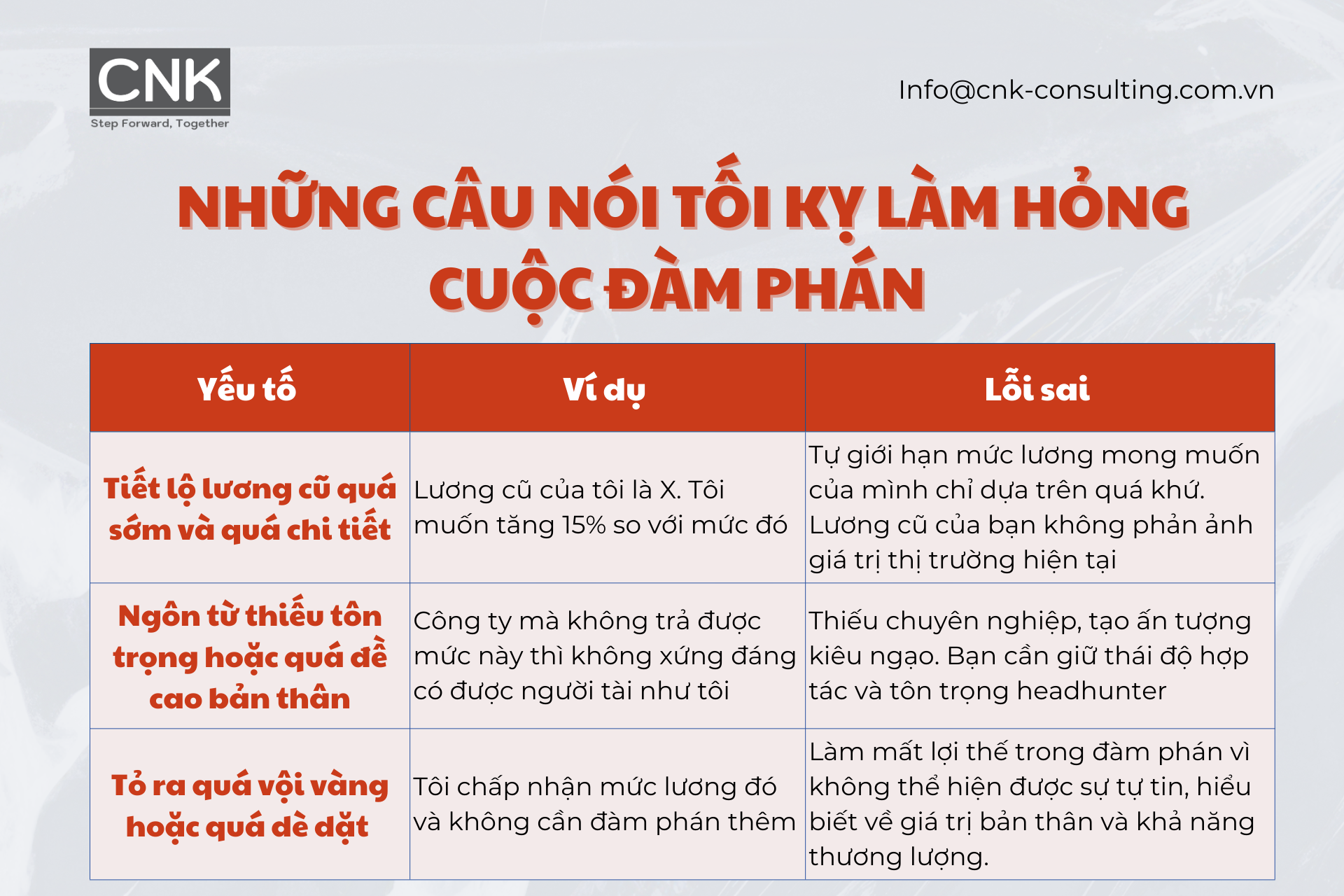
Statements that can derail negotiations
Your language reflects your confidence and experience. Avoid the following statements and attitudes:
The risk of disclosing your current salary
Questions about current salary are a common negotiating trap. The employer or headhunter uses this figure to anchor your salary expectations as low as possible.
- Respond tactfully: Be truthful, but you do not need to provide extensive detail. You can frame your response around market value: “I would prefer to keep my current salary confidential. My priority is a total compensation package that reflects my 8 years of experience and the contribution I will make in this role, based on the current market salary range.”
- Refocus the discussion: If pressed, promptly bring the conversation back to your salary expectations and future contribution.
Look beyond base salary
Base salary is part of your total compensation. Focusing on it alone may cause you to overlook other valuable benefits.
Consider total compensation
Always assess a job offer by the total financial value the employer provides.
Elements to emphasise in negotiations
- Benefits to consider
- Performance, quarterly and annual bonuses: These can significantly increase your income if you meet your KPIs.
- Shares or share options: Particularly relevant at startups and technology companies, where their value may rise sharply.
- Premium health insurance: Helps reduce medical costs for you and your family.
- Training and professional certifications: Support your career development and increase your future market value.
- Flexible working arrangements, including working from home (WFH) and flexible hours: Offer value through quality of life and work-life balance.
Negotiating the offer
If the base salary meets your minimum requirement, focus on improving these benefits to increase the overall value of the agreement.
Maintain the relationship after salary negotiations
Your relationship with a headhunter continues after you accept or decline an offer. Headhunters are skilled networkers who provide access to some of the best future career opportunities. Maintaining a positive relationship is a long-term investment in your career.

Respond professionally when accepting or declining an offer
Professional communication is central to a headhunter’s willingness to support you in the future:
When you accept a job offer:
- Confirm promptly: Email your acceptance and thank the headhunter for their support.
- Honour your commitment: Start work on the agreed date. Withdrawing unexpectedly after accepting an offer will seriously damage your reputation with both the headhunter and the employer.
- Make referrals: When the opportunity arises, introduce other potential candidates to the headhunter. This strengthens the relationship and establishes you as a trusted source of information.
When you decline a job offer:
- Respond clearly and promptly: Do not delay your decision. Send a sincere thank-you email with a brief, professional explanation, such as finding a role that better suits your career plans or receiving a package that falls short of your overall expectations.
- Avoid blame: Do not complain about or blame the headhunter or employer. Remain positive about the experience and the opportunities they provided.
- Suggest staying in touch: Close by expressing your interest in maintaining contact. For example: “I appreciate your efforts throughout this process. I hope we can stay in touch and work together on opportunities that may be a better fit in the future.”
Seek the headhunter’s advice on your career
A good headhunter can help you find a role and provide valuable career advice, particularly within their specialist sector.
Share career updates
- After around 6–12 months, email the headhunter with significant achievements in your new role, such as a promotion, completion of a major project or a new certification.
- Purpose: Keeping the headhunter informed about your progress helps them give more relevant advice on your next career steps.
Ask for market insights
- Ask about salary trends: Contact the headhunter to discuss changes in salary ranges and hiring demand for your role. This helps you maintain an accurate view of your market value.
- Ask which skills to develop: Headhunters often know which skills are in demand and which may become outdated. Ask what you should learn to strengthen your competitiveness.
Build your professional network
Connect with the headhunter on LinkedIn and engage professionally with their posts. Maintain a sincere relationship and stay in contact between job searches.
Conclusion
Negotiating salary with a headhunter becomes easier when you understand your value and prepare a suitable strategy. Confidence, clear evidence and professional communication can help you secure appropriate compensation and strengthen your position for the next stage of your career.
CNK Consulting Vietnam
Helping you grow your team
Hotline: +84 369 882 579
Email: info@cnk-consulting.com.vn
Address: 12BT6 Thanh Bình Garden, 3 Nguyễn Cảnh Dị, Định Công Ward, Hanoi, Vietnam
References:
- Sho Dewan (Forbes): 3 Tricks Recruiters Use In Salary Talks And How To Counter Them (An analysis of the tactics headhunters and recruiters use in salary negotiations and how candidates can respond).
- Recruitment Agency (UK): Salary Negotiation Tips: How to Get What You Deserve (Practical salary negotiation tips for securing appropriate compensation).
- Indeed Career Guide: How To Negotiate Salary After a Job Offer (With 13 Tips) (Guidance on negotiating salary after receiving a job offer).