

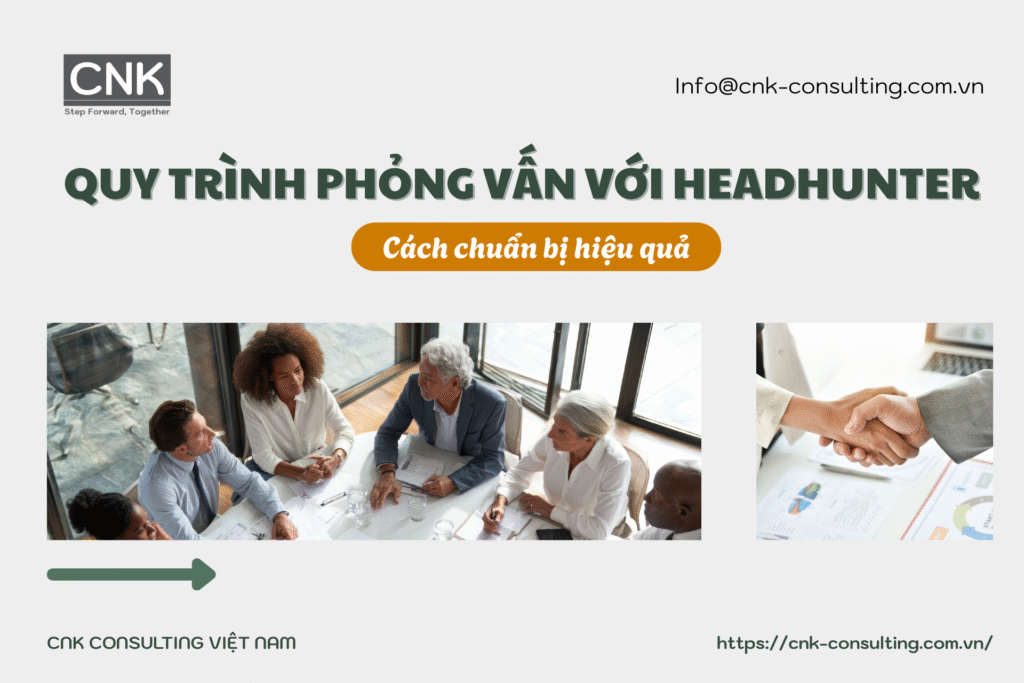
An interview with a headhunter goes beyond questions and answers: it helps them assess how your experience fits the market. Preparation matters. Understanding the key steps will help you approach the conversation with confidence and avoid missing opportunities.
Before the interview: understand the headhunter’s role
A headhunter’s role extends beyond sourcing CVs to making strategic connections. They understand the employer’s requirements and help candidates identify the career opportunities that best suit them.
What is a headhunter interview?
A headhunter interview is a discussion between a candidate and a headhunter to assess the candidate’s suitability for a specific vacancy. Unlike applying directly with your CV, this conversation usually takes place before the headhunter introduces you to the employer.
The discussion goes beyond verifying the information in your CV. It also helps the headhunter:
- Understand your capabilities, experience and strengths.
- Assess how well your profile matches market demand and the vacancy.
- Decide whether to include you on the shortlist.
This strategic screening stage helps employers reach suitably qualified candidates. It also gives candidates access to opportunities that are not always advertised publicly.
>> Explore CNK Consulting Vietnam’s executive search services for support in connecting with the opportunities that best match your profile.
How headhunter interviews differ from interviews with in-house recruiters
Many candidates confuse a headhunter interview with a direct interview with an in-house recruiter. However, these interviews have very different objectives and approaches to assessment.
| Criterion | Headhunter interview | In-house recruiter interview |
| Main purpose | Assess potential suitability. | Assess technical skills and cultural fit. |
| Discussion focus | Past achievements, approach to work and career goals. | Specific approaches to problem-solving and technical expertise. |
| Interviewer’s approach | Open and supportive, acting as a guide to the candidate. | Formal and rigorous, assessing the candidate from the employer’s perspective. |
| Information shared | An overview of the market and competitors. | Detailed information about internal structures and processes. |
Benefits of working with a headhunter
Working with a headhunter offers distinct advantages, alongside challenges that candidates should consider:
Opportunities:
- Access to confidential opportunities: Headhunters often handle vacancies that have not been widely advertised, particularly senior roles. They offer the best route to these otherwise inaccessible opportunities.
- Career advice and direction: Headhunters understand the labour market. They can provide honest feedback on your market value and help you position your experience strategically.
- Salary negotiation support: They act as intermediaries, helping you maximise your salary and benefits while maintaining a positive relationship with the employer.
- Detailed insights: Headhunters provide insight into company culture, the management team and the challenges of the role—information that can be difficult to find on the company’s website.
Challenges:
- Non-exclusive representation: Some headhunters may submit your CV to multiple employers without closely controlling its distribution.
- Reliance on client relationships: The quality of service you receive may depend on the headhunter’s relationship with the client company.
- Patience required: Recruitment through a headhunter may take longer because of the client’s internal review and approval processes. Stay proactive and maintain regular contact.
The headhunter interview process: 4 key stages
Working and interviewing with a headhunter usually involves a series of steps rather than a single meeting. The process is designed to screen candidates thoroughly and achieve the best possible match with the client company.

Stage 1: Initial contact and CV screening
This initial step helps the headhunter decide whether your candidate profile is suitable for the next stage of recruitment.
- Who makes contact: The headhunter usually approaches you through LinkedIn, email or a referral.
- Purpose: The headhunter checks key details: whether your core experience matches the job description, whether your salary and expectations fit the client’s budget, and why you are considering a move.
- Outcome: If these factors align, you move to your first formal interview with the headhunter.
Stage 2: In-depth interview
- Interviewer: The headhunter or a senior consultant from the search firm.
- Purpose: The headhunter screens candidates on the client’s behalf. They explore your experience, technical skills and working style, using situational questions to assess your readiness for the role and cultural fit. You also receive detailed information about the position and company.
- Outcome: If you pass this stage, the headhunter finalises your profile and presents it to the client company.
Stage 3: Employer interview
After passing the headhunter’s assessment, you reach the most important stage: interviewing directly with the company you may join.
- Participants: The hiring manager, the relevant department head or the company’s leadership team.
- Purpose: The employer directly assesses your technical capabilities and fit with the team. The headhunter manages the process, arranges interviews, provides preparation advice and gathers feedback from both parties.
- Outcome: If the client company selects you, it informs the headhunter.
Stage 4: Offer and negotiation
- Intermediary role: The headhunter communicates the job offer and facilitates negotiations between the candidate and employer on salary and other terms.
- Purpose: To help both parties reach the best possible agreement. The headhunter helps you present your salary and benefits requirements reasonably and professionally.
- Outcome: An employment contract is signed, and the client company pays the headhunter’s service fee.
How to prepare for a headhunter interview
Systematic preparation helps candidates apply interview techniques effectively, demonstrate their capabilities clearly and make a professional impression on both the headhunter and employer.

Develop your CV and professional profile
A clear CV and consistent professional identity help headhunters quickly recognise what you offer. Focus on the following areas to build a distinctive personal brand:
Tailor your CV to the role
- Present information in order of relevance.
- Highlight achievements, measurable results and your specific role in each project.
- Keep the layout simple and readable, with minimal visual effects.
Update your online profile
- Update LinkedIn with relevant professional keywords.
- Refine your profile photo, headline and personal summary.
- Keep your CV and online profiles consistent to avoid discrepancies.
Build your personal brand
- Identify your core strengths and the distinctive aspects of your working style.
- Demonstrate your expertise through professional posts, personal projects or notable achievements.
- Maintain a consistent professional presence across networking platforms.
Prepare your mindset and interview strategy
A calm mindset and clear strategy help you answer confidently, demonstrate your capabilities and build trust with the headhunter.
Understand the headhunter’s role
- The headhunter represents the employer in selecting candidates.
- They assess your suitability, ability to meet the role’s requirements and commitment to the opportunity.
Prepare your talking points
- Define your career goals for the next 6–12 months.
- Review your key achievements and consider how to incorporate them into your answers.
- Prepare focused questions about the role and employer.
Stay composed
- Speak at a measured pace and organise your thoughts clearly.
- Use clear, concise language.
- Stay focused on the main points and avoid lengthy digressions.
Interview and negotiation skills
Your communication and negotiation skills determine whether you progress beyond the headhunter interview and secure an offer that reflects your value.
Use structured interview techniques
Use established techniques to organise your answers logically and persuasively:
- STAR method (Situation – Task – Result): Use this approach to answer behavioural questions and demonstrate your capabilities through practical examples.
- Demonstrate impact: Go beyond describing your actions to explain the results they delivered for the company.
Negotiate your salary
Your headhunter is your strongest negotiating resource:
- Set your minimum salary: Decide on the lowest salary you would accept before starting the process.
- Delegate the initial negotiation: Once you receive an offer, authorise the headhunter to negotiate initially on your behalf. Their experience and position allow them to seek a higher salary without affecting your direct relationship with the employer.
- Assess the full package: Consider bonuses, shares, insurance and leave entitlement alongside base salary.
Risks and issues to consider when interviewing with a headhunter
Identify potential risks proactively throughout the interview process to protect your interests and ensure a transparent recruitment experience.

Fraud and untrustworthy headhunters
Recognising risks helps you protect your interests and remain proactive throughout the process. Not every headhunter has extensive experience or high professional standards.
- Warning signs: Excessive pressure, unclear information about the employer or role, or submission of your CV without your consent.
- Action: Ask for clear information about the company and position before agreeing to have your profile submitted.
Failing to stay in touch or ignoring feedback
Slow responses or limited engagement can make candidates appear unprofessional and disrespectful of the recruitment process.
Why proactive communication matters
- Respect deadlines: Headhunters work to deadlines. Delayed responses to emails or calls, or late submission of required documents such as your CV or salary records, could cost you an opportunity.
- Seek timely feedback: A headhunter’s feedback provides valuable insight that can help you adjust your interview strategy for future opportunities. Ignoring it means losing that advantage.
Why abruptly ending contact is a mistake
Disappearing after receiving information or attending an interview is more serious than responding late:
- Unprofessional conduct: Even if you decide not to pursue the role, sending a polite email to withdraw is a basic professional courtesy.
- Process disruption: The headhunter must explain your disappearance to the client company, creating significant difficulties and damaging your professional relationship.
Build lasting professional relationships with headhunters
A headhunter can connect you with your next role and serve as a long-term career adviser. Building a trusted professional partnership is a worthwhile investment.
Principles for a productive partnership
- Keep your commitments: Follow through on what you agree during recruitment, from attending scheduled interviews to letting the headhunter know if you receive another offer.
- Share updates: After starting a new role, update the headhunter on your progress after 6–12 months. This helps them keep your profile current and understand your career development.
Become a trusted source of referrals
- Refer suitable candidates: If colleagues or contacts match the roles the headhunter is recruiting for, introduce them. Relevant referrals add value and build trust in the relationship.
- Expand your professional network: Treat headhunters as part of your network. They can provide market insight, salary trends and career advice even when you are not actively looking for a job.
Prepare for a productive headhunter interview
A headhunter interview is an opportunity to demonstrate your capabilities, articulate your value and access better career options, as well as a screening stage. Understanding how headhunters work, preparing your answers strategically and maintaining a professional approach significantly improve your chances of being introduced to suitable employers.
Being proactive, clear and consistent throughout the process helps you build a strong professional reputation and compete effectively in the job market.
CNK Consulting Vietnam
Recruitment support for key positions
Hotline: +84 369 882 579
Email: info@cnk-consulting.com.vn
Address: 12BT6 Thanh Bình Garden, No. 3 Nguyễn Cảnh Dị, Định Công Ward, Hanoi, Vietnam
References:
- Hello Recruiters: Interview Questions to Expect When Working With a Headhunter (Interview questions to prepare for when working with a recruitment firm).
- Better Headhunting: How headhunters interview candidates (How recruiters interview candidates).
- Indeed Editorial Team: 13 Smart Questions to Ask a Headhunter (13 smart questions to ask a recruiter).