

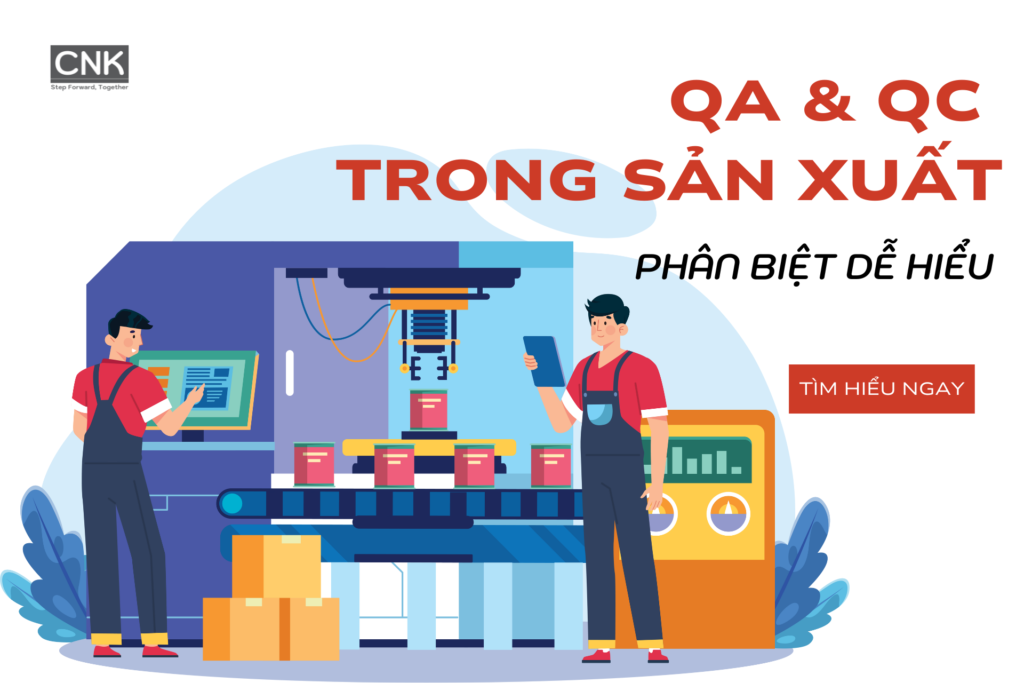
Understanding quality assurance (QA) and quality control (QC) helps manufacturers develop more effective working processes. QA builds quality into management and operations, while QC checks that finished products meet requirements. Together, they help maintain consistent quality and build customer trust.
What Are QA and QC in Manufacturing?
What Is Quality Assurance?
QA stands for Quality Assurance. It is a comprehensive management system focused on developing, maintaining and improving production processes. Its scope extends beyond final product inspections to cover every stage, from preparing materials and establishing procedures to training staff and monitoring operations.
QA aims to prevent defects at their source by standardising processes, applying international standards and adopting modern quality management practices. This helps manufacturers maintain consistent product quality and reduce costs arising from defects or production incidents.

What Is Quality Control?
QC stands for Quality Control. It is an essential manufacturing activity that involves inspecting, measuring and evaluating products at each stage of production. QC helps identify defects promptly so manufacturers can take corrective action and remove products that do not meet standards.
QC generally focuses on checking products that have already been made, whereas QA focuses on preventing defects through process management. QC activities include testing raw materials and finished products and checking them against technical specifications and customer requirements. These checks ensure that finished products meet the promised quality standards before leaving the factory.
How Do QA and QC Differ?
Although both address quality, QA and QC differ in their objectives, scope and timing. Understanding these differences helps manufacturers define the role of each activity in production management.
- Objectives: QA focuses on preventing defects by establishing and maintaining standardised processes. QC focuses on detecting and eliminating defects so that finished products meet quality requirements.
- Scope: QA covers the entire production process, including material preparation, machinery management and staff training. QC focuses primarily on inspecting, measuring and testing products at each stage.
- Timing: QA takes place before and during production to prevent potential risks. QC generally takes place during and after production to check the quality of finished products before they leave the factory.

Why QA and QC Matter to Manufacturers
Improving Product Quality
QA and QC are essential to maintaining consistent product quality. QA standardises processes to reduce defects from the outset. QC closely monitors each production stage and removes products that do not meet standards. Together, they help ensure that finished products meet technical specifications and customer expectations.

Reducing Risks and Costs
Implementing QA and QC helps manufacturers proactively manage risks in both production processes and finished products. QA ensures that processes are standardised, reducing defects from the earliest stages. QC monitors products and promptly identifies those that fail to meet requirements. By combining prevention and control, manufacturers can significantly reduce the costs of repairs, repeat production or product recalls while using resources more efficiently.
Building Reputation and Customer Trust
Consistent product quality helps businesses maintain their reputation and expand into new markets. QA and QC both support this consistency: QA maintains uniform processes throughout production, while QC verifies finished product quality before products reach consumers. Consistently meeting quality standards builds customer trust, strengthens long-term business relationships and improves a brand’s competitiveness.
Bringing QA and QC Together
A clear understanding of QA and QC helps manufacturers define each department’s responsibilities in quality management. QA develops and monitors processes, while QC ensures that finished products meet standards. Coordinating these 2 functions helps businesses improve quality and strengthen their brand reputation.
CNK Consulting Vietnam
Hotline: +84 369 882 579
Email: info@cnk-consulting.com.vn
Address: 12BT6, Thanh Bình Urban Area, 3 Nguyễn Cảnh Dị, Định Công Ward, Hanoi
Looking for your next opportunity? Explore current management vacancies with CNK.
Receive workforce market updates
Recruitment, talent market and workforce development updates from CNK.