


Screening hundreds of unsuitable job advertisements can be exhausting. Working with a headhunter can bring opportunities directly to you, including roles with salaries in the thousands of dollars and clear career progression. This article explores the benefits, practical considerations and ways to attract a headhunter’s attention.
What is a headhunter, and how can they support your career?
Many employers work with headhunters to recruit highly qualified people. These recruitment specialists connect potential candidates with career opportunities.
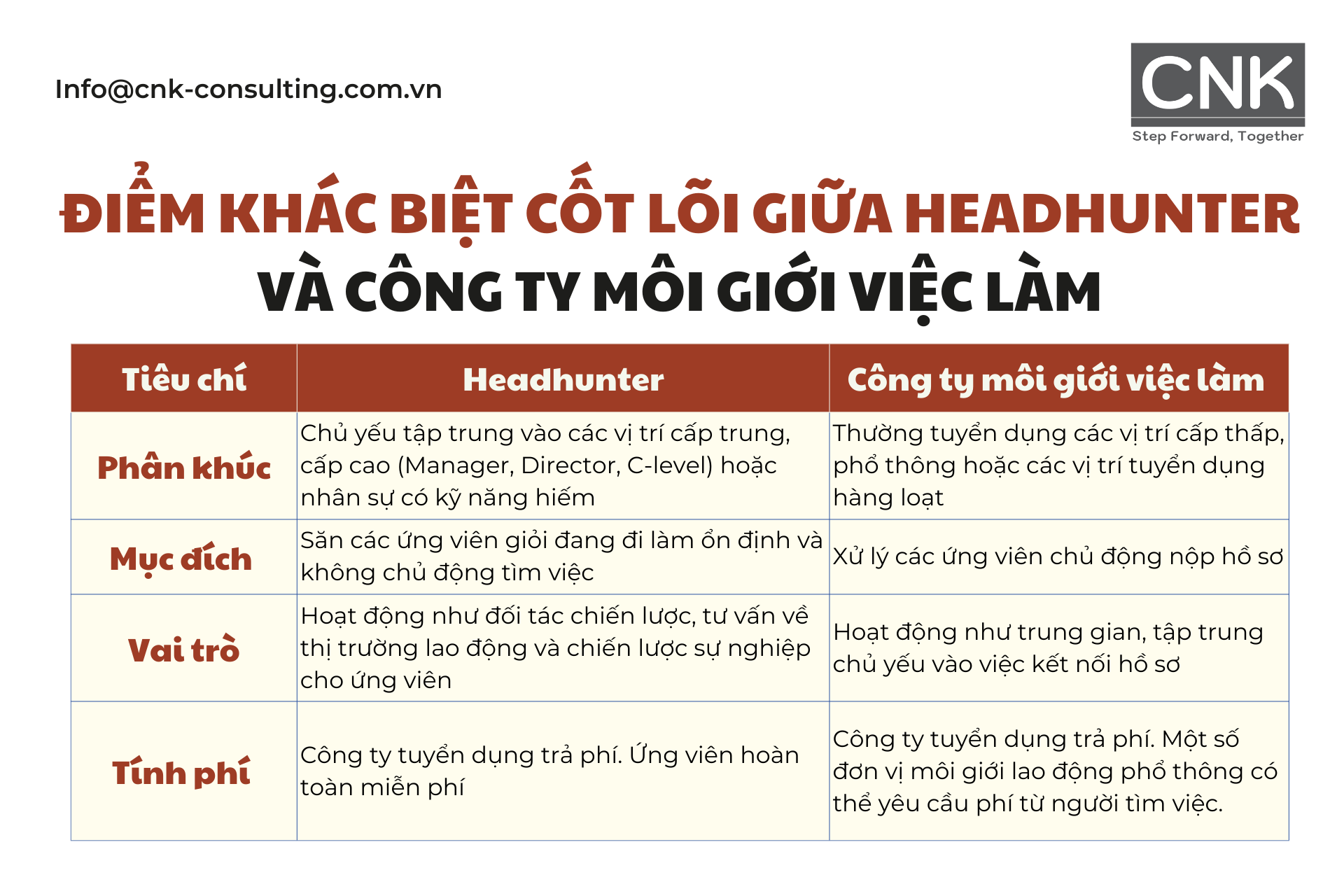
The key differences between a headhunter and an employment agency:
>> Explore management vacancies with CNK today to access more middle and senior management opportunities with leading employers.
5 benefits of finding a job through a headhunter
Working with a headhunter can support both your job search and your career progression. Here are 5 benefits:
Access confidential, unadvertised opportunities
Many senior roles are not advertised publicly because they involve sensitive strategic or personnel decisions. Headhunters have exclusive access to information about these vacancies. Connecting with them puts your profile forward for consideration for exclusive opportunities of the highest calibre in your industry.
Negotiate pay and benefits that reflect your value
A headhunter acts as a professional intermediary in negotiations. They understand the market value of the role and your experience, helping you seek a higher salary, better bonuses and additional benefits. Their involvement removes the awkwardness of negotiating alone and helps you secure the best possible package.
Save time and streamline your job search
A headhunter screens opportunities so you do not have to work through hundreds of job advertisements yourself. They introduce you only to employers and roles that match your experience and career goals.
This helps you avoid unproductive interviews and significantly reduces the time you spend looking for a job.
Build a lasting professional relationship
Your relationship with a headhunter does not end when you accept a job. They remain a valuable professional contact whenever you need advice or want to make another move. When a suitable vacancy arises with an employer, they will think of you first.
Maintaining a good relationship with a reputable headhunter is an investment in your career.
How to get the most from working with a headhunter
To benefit fully from working with a headhunter, candidates need to understand the process and avoid common mistakes. The following guidance explains how to collaborate effectively, communicate professionally and build a relationship that supports your career development.
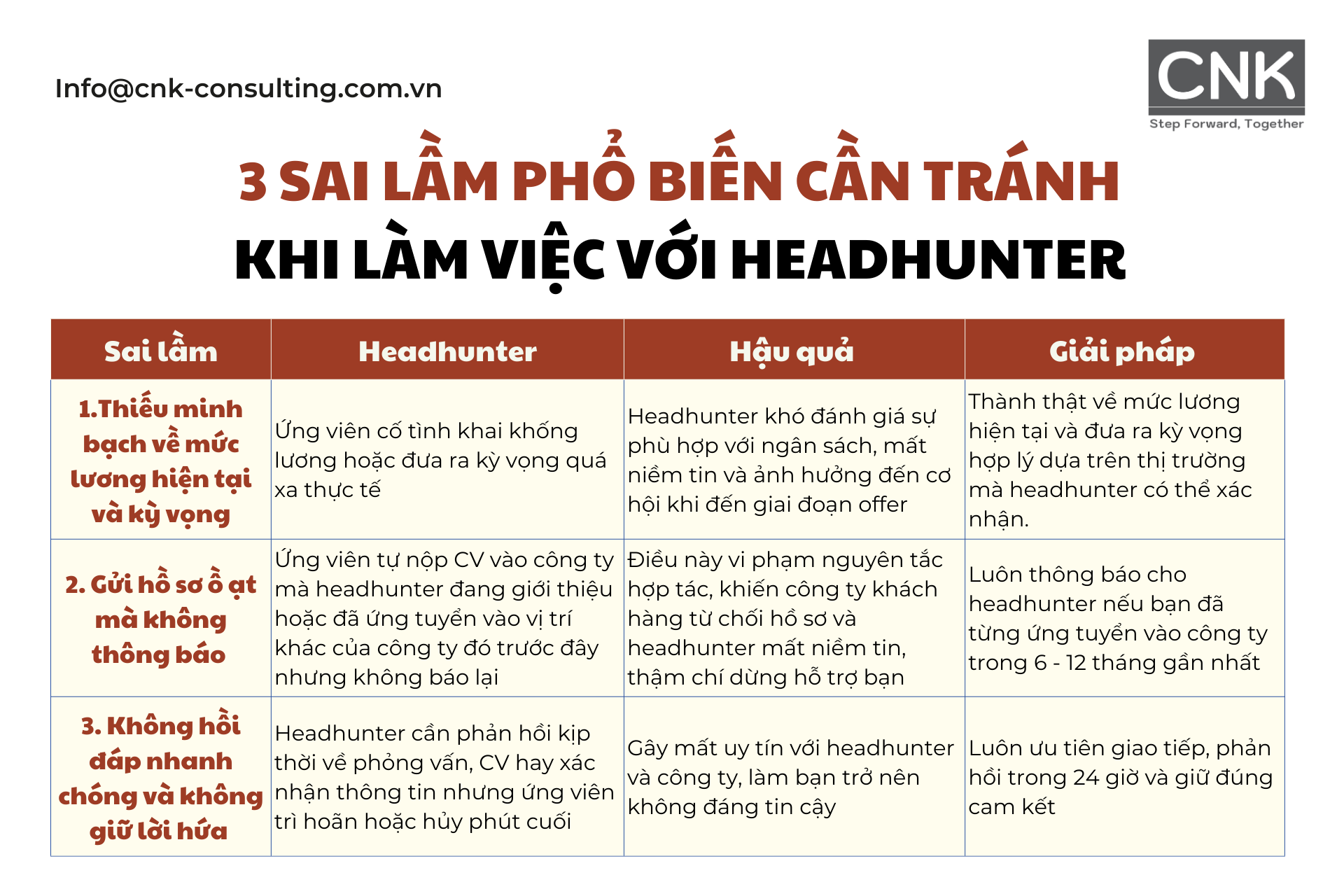
3 common mistakes to avoid when working with a headhunter
Applying through a headhunter requires professionalism and transparency. The mistakes below often cost candidates opportunities:
Build a CV and LinkedIn profile that attract headhunters
Headhunters are busy and scan information quickly. Make your profile easy to find and assess:
- Highlight achievements rather than job descriptions: Headhunters do not need a repeat of your job description. Emphasise achievements and measurable results instead, such as delivering 30% revenue growth in QII or managing 50 employees on project X.
- Use relevant keywords: Headhunters use applicant tracking systems (ATS) to search for candidates. Include the key specialist terms for your industry in your CV and LinkedIn profile, such as Growth Hacking or Due Diligence.
- Make your goals clear on LinkedIn: State the role you are targeting, for example, “Seeking Senior Product Manager Roles in Fintech”. Headhunters often search LinkedIn first.
- Keep your information consistent: Make sure your CV, LinkedIn profile and interview responses agree. Inconsistencies will make a headhunter question your professionalism.
- Use a standard CV format: Keep your CV ready in PDF or Word format, with a clear, readable font.
How candidates, headhunters and employers work together
Understanding the process helps candidates take an active role, work effectively with their headhunter and improve their chances of securing an offer:
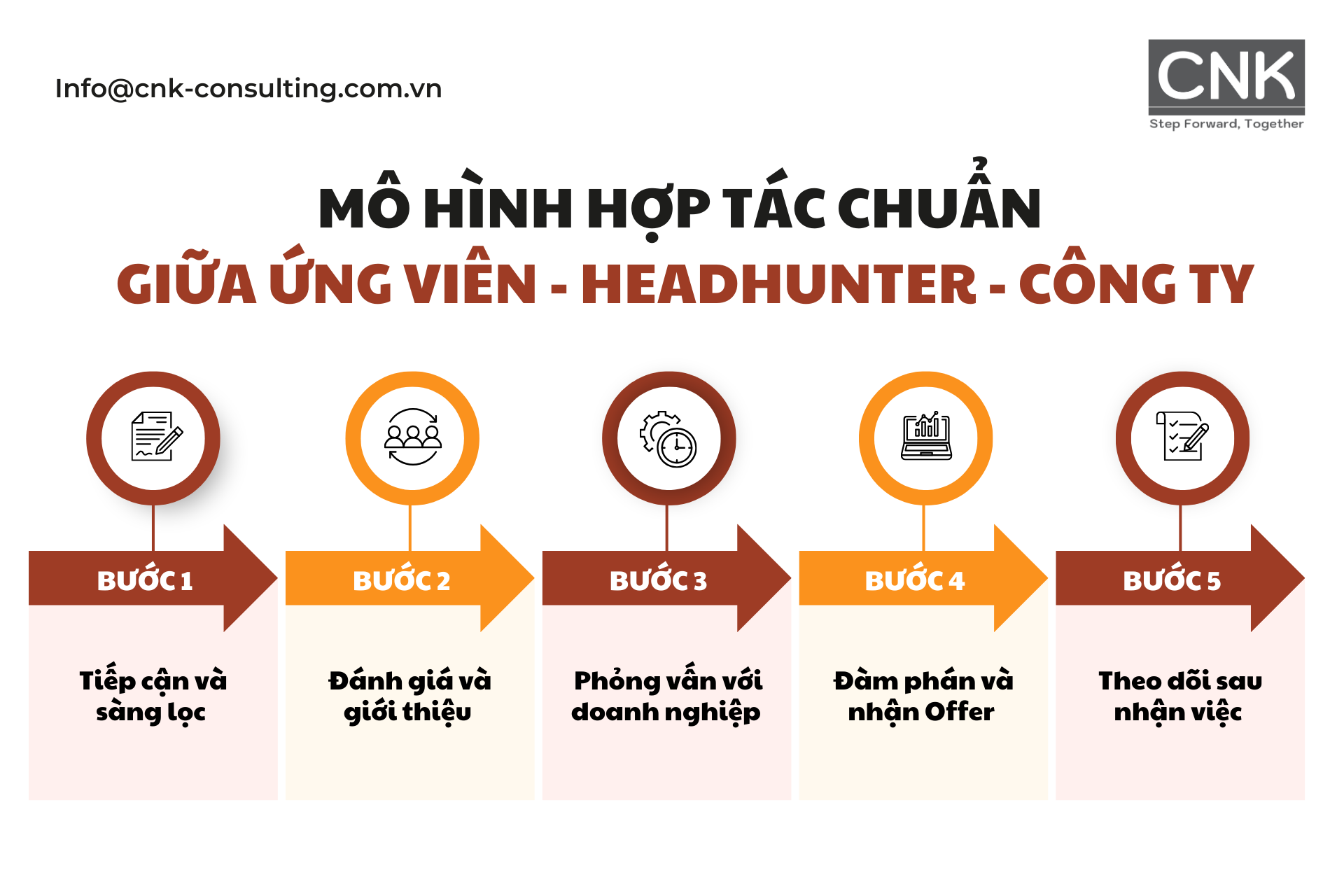
Step 1: Sourcing and screening
The headhunter identifies suitable candidates through databases, LinkedIn and professional networks, then conducts an initial interview.
Your role as a candidate: Explain your experience, career direction, reasons for seeking a move and expectations clearly so the headhunter can understand your needs and support you effectively.
Step 2: Assessment and introduction
The headhunter assesses your skills, cultural fit and aspirations, then submits your profile to the employer with a professional assessment.
Your role as a candidate: Give your consent to the introduction and provide all the information the headhunter requests.
Step 3: Interviews with the employer
You attend the interview rounds while the headhunter coordinates schedules and provides context about the department, interviewers and employer’s expectations.
Your role as a candidate: Share feedback promptly after each interview so the headhunter can support you and update the employer.
Step 4: Negotiating and accepting an offer
When the employer makes an offer, the headhunter advises on salary and benefits and supports negotiations.
Your role as a candidate: Set realistic, consistent expectations and work with the headhunter to reach the best possible agreement.
Step 5: Support after you start
The headhunter continues to support you during the first 1 – 3 months to help you settle in and resolve any issues.
Your role as a candidate: Stay in touch and give honest feedback about your new role so the headhunter can offer timely support.
Watch for recruitment scams
Although most headhunters operate professionally, some fraudulent operators seek to exploit candidates. Watch for these warning signs:
- Charging candidates fees: Legitimate headhunters are always paid by the hiring employer. Any headhunter who asks you to pay service, profile processing, training or application fees is operating a scam.
- Vague or unclear vacancy details: Withholding the client’s name initially may be part of a confidential search. However, be cautious if the headhunter cannot explain the role, requirements or organisational structure after you have expressed interest.
- Excessive pressure and unprofessional conduct: Be wary of demands to accept an offer or attend an interview urgently without time to consider the opportunity or research the employer thoroughly.
- Requests for personal financial information: Never provide your bank account number, tax identification number or other sensitive information before signing a formal contract with the client employer.
How candidates can avoid recruitment scams:
- Check the firm’s reputation: Search for the recruitment firm on platforms such as Facebook and LinkedIn. Check whether it has a professional website and whether its team members have clear, informative LinkedIn profiles.
- Ask about the client employer: Always ask, “What is the client company’s name?” If confidentiality prevents immediate disclosure, request a detailed description of its industry, size and culture so you can assess the opportunity.
- Never pay fees: Make this a firm principle when working with headhunters. State clearly that you will not pay any fees during the application process.
Who can find a job through a headhunter?
Headhunters work with a range of candidates, beyond senior executives. Consider this route if you have demonstrable skills, a clear career direction and an interest in opportunities that better match your goals.
The following groups regularly work with headhunters because their experience closely matches employers’ recruitment requirements.

Candidates with established specialist experience
Headhunters often seek candidates with strong professional capabilities who can contribute immediately, including:
- Engineers, software developers and technical specialists
- Specialists in HR, marketing, sales, finance and supply chain
- Professionals in specialist roles that require independent delivery
Managers and team leaders
These candidates are consistently a priority for headhunters because employers frequently need people who can lead teams:
- Team Leaders, Supervisors and Assistant Managers
- Managers and Senior Managers across specialist functions
These roles require leadership experience, systems thinking and the ability to collaborate across departments. Such qualities are difficult to assess from a CV, but headhunters can verify them through in-depth interviews.
Middle and senior management candidates
Headhunters seek these candidates most actively because employers often recruit confidentially or need greater assurance of candidate quality:
- Heads, Leads and Directors in technology, HR, finance, sales and operations
- Professionals in strategic or governance roles
These candidates are difficult to recruit through in-house recruitment. Headhunters help employers reach them faster and maintain greater confidentiality.
When to work with a headhunter
Consider working with a headhunter when you need a more professional, confidential recruitment channel that can open opportunities difficult to reach through direct applications:
- Access to quality opportunities: Headhunters handle highly paid roles and vacancies that are not publicly advertised.
- Confidentiality during a career move: A headhunter manages communication on your behalf and keeps your information confidential until you are ready.
- Better salary and offer terms: Headhunters support negotiations using market data and their advisory experience.
- Limited responses to direct applications: A headhunter assesses your profile and connects you directly with suitable employers.
How to connect with headhunters
Candidates can connect with headhunters through several channels. Each offers a different level of control and effectiveness, depending on your career goals and how urgently you need to move.
Improve your LinkedIn profile
LinkedIn is the main working tool for most headhunters. Improving your profile is the most important step in attracting their attention:
- Use a professional photo and headline: Choose a clear, professional profile photo. Keep your headline concise and include keywords for your target role, such as “Senior Product Manager | Growth Strategy”.
- Update your “Open to Work” status: You can hide this information from your current employer while enabling the feature to signal to LinkedIn’s systems and headhunters that you are interested in new opportunities.
- Join industry groups: Participate in relevant professional groups to increase your profile’s visibility in headhunter searches.
Reach out directly
If you are targeting a particular role or industry, actively seek headhunters who specialise in that field.
- Identify specialist headhunters: Search LinkedIn using “Recruiter” + your industry or target role, for example, Recruiter Fintech.
- Send a personalised message: Write a brief, professional introduction that highlights relevant experience or achievements in your field.
- Attach your CV when requested: Send your CV only once the headhunter has expressed interest and asked for it.
Treat the initial call as an interview
When a headhunter contacts you, treat the initial call as an important interview:
- Prepare thoroughly: Research the recruitment firm and its specialisms. Prepare clear answers about your experience, achievements and reasons for considering a move.
- Be honest about your goals: Explain the roles you would consider, your salary expectations and why you want to change jobs. Clear information makes it easier for the headhunter to identify a suitable role.
- Ask questions: Ask about their process, typical clients and recruitment trends in your industry. This demonstrates your commitment and professionalism.
Find opportunities with CNK Consulting Vietnam, a leading executive search firm in Vietnam
CNK Consulting Vietnam is an established example of a professional executive search and specialist recruitment firm in Vietnam, focusing on middle and senior management appointments. Its core sectors include manufacturing, engineering, supply chain and finance. Researching reputable firms such as CNK helps you understand the service standards to expect from a headhunter.
If you have experience in these sectors, research CNK Consulting Vietnam and connect with its headhunters. Prepare a profile that highlights professional achievements relevant to their specialist industries.
Be open and transparent about your salary expectations and reasons for moving. This will improve your chances of accessing leadership opportunities with the multinational employers that work with CNK as their recruitment partner.
Conclusion
Working with a headhunter gives candidates access to quality roles, career guidance, confidentiality and support in negotiating offer terms. Understanding the headhunter’s role, knowing when to work together and presenting yourself professionally make your job search more effective and support your longer-term career development.
This approach helps shorten your search, avoid unsuitable career moves and expand your options over time.
CNK Consulting Vietnam
Finding the right talent for employers
Hotline: +84 369 882 579
Email: info@cnk-consulting.com.vn
Address: 12BT6 Thanh Bình Garden, No. 3 Nguyễn Cảnh Dị Street, Định Công Ward, Hanoi, Vietnam
References:
- Dandan Zhu (Forbes): How To Work With Headhunters (Guidance on working proactively and effectively with headhunters).
- Forbes Coaches Council (Forbes): Thinking About Partnering With A Headhunter? 16 Things To Keep In Mind (16 tips for working with a headhunter).
- Tomas Ondrejka – How to Find a Headhunter in 2025: Track Down the Top Talent Scouts (Explains the role of headhunters and how they connect candidates with opportunities in the hidden job market).