

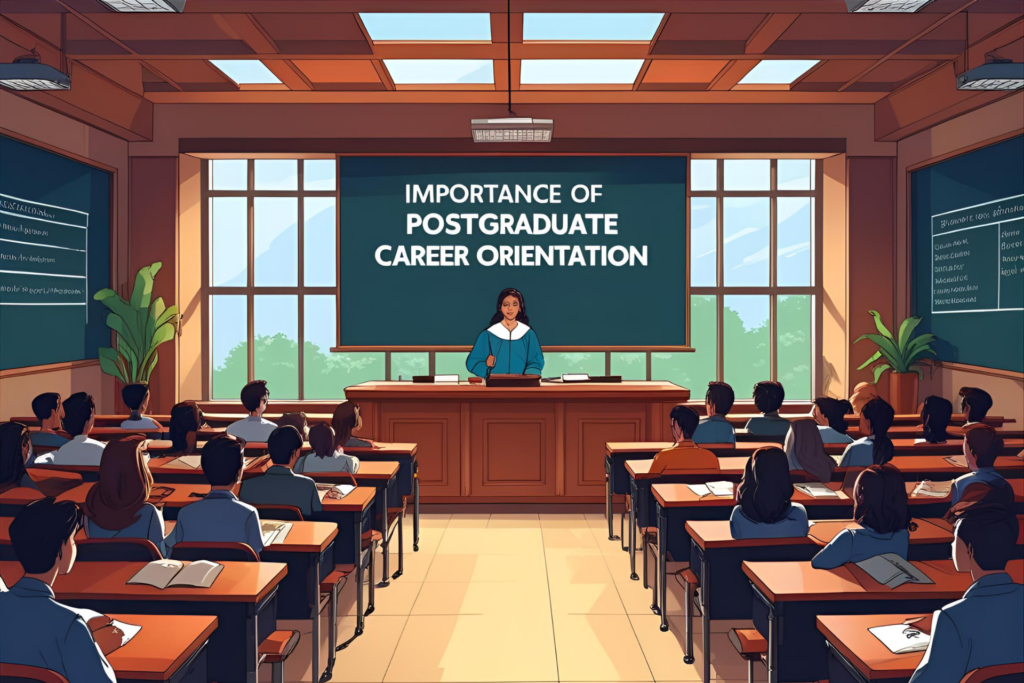
A sound career plan helps you use your time well and make the most of your abilities. Planning your career after university provides a foundation for entering the workplace with confidence and clear goals.
Why is career planning after university so important?
Graduation marks a pivotal transition from academic study to working life. Career planning at this stage goes beyond choosing your first job: it shapes your longer-term career path and directly influences your opportunities for professional growth and advancement.

Structured career guidance helps recent graduates identify their personal goals and choose a suitable development path. It helps them apply their academic knowledge in practice and build the additional skills needed to meet increasingly demanding recruitment requirements. Beyond finding a suitable job, career planning establishes a long-term direction, laying the groundwork for advancement and a strong professional reputation.
As the labour market changes rapidly, particularly in engineering, technology and manufacturing, proactive career planning helps young people adapt more quickly, understand the value they offer and gain a substantial competitive advantage. This provides a foundation for a sustainable, successful career.
Practical steps for planning your career after university
Career planning helps you establish yourself professionally and plays a decisive role in your long-term development. Students and young people entering the workforce can use the following steps to make the process more effective.
Assess your abilities and interests
Review your abilities, natural talents, strengths and weaknesses to identify fields that suit you. This assessment provides a basis for choosing a career you can sustain over time, rather than following short-lived trends.
Research the labour market and promising career fields
Technological advances, digitalisation and globalisation are driving significant changes in recruitment. Analysing workforce demand, identifying emerging career trends and assessing competition in your chosen field will help you develop a practical career plan grounded in the realities of the labour market.
Set short-term and long-term career goals
The SMART framework helps graduates set clear, achievable career goals. Move beyond a vague idea of your ideal job by creating a specific plan, measuring progress and developing the skills you need. This can improve your prospects for career advancement.
Plan how to develop your technical and interpersonal skills
Career planning also involves strengthening your capabilities. Create a learning plan, take training courses and develop skills such as communication, time management and teamwork. These steps will help you become more competitive and prepare for future employment opportunities.
Build your network and expand your career opportunities
Building and maintaining a professional network is essential to expanding your career opportunities. Attend industry seminars and career workshops, and connect with alumni and respected professionals in your field. These connections help you learn from practical experience, keep up with emerging trends and access quality job opportunities. Alongside creating valuable professional relationships, networking helps you refine and reinforce your career direction, bringing you closer to your goals for sustainable professional growth.

Review and adjust your plan regularly
Both the labour market and your interests can change over time, making regular reviews of your career plan essential. Use these reviews to recognise your strengths, address areas for improvement and adapt to new opportunities. Revisiting your plan also strengthens your career direction and keeps your development aligned with your abilities and industry trends, improving your prospects for success.
Building a sustainable career
A clear career plan after university helps you make the most of opportunities, develop your skills and move forward with confidence. It provides a foundation for lasting success and brings you closer to your career goals.
CNK Consulting Vietnam
Hotline: +84 369 882 579
Email: info@cnk-consulting.com.vn
Address: 12BT6, Thanh Bình Urban Area, No. 3 Nguyễn Cảnh Dị Street, Định Công Ward, Hanoi
Receive new job updates from CNK
Selected job opportunities and practical updates on applications, interviews and career development.